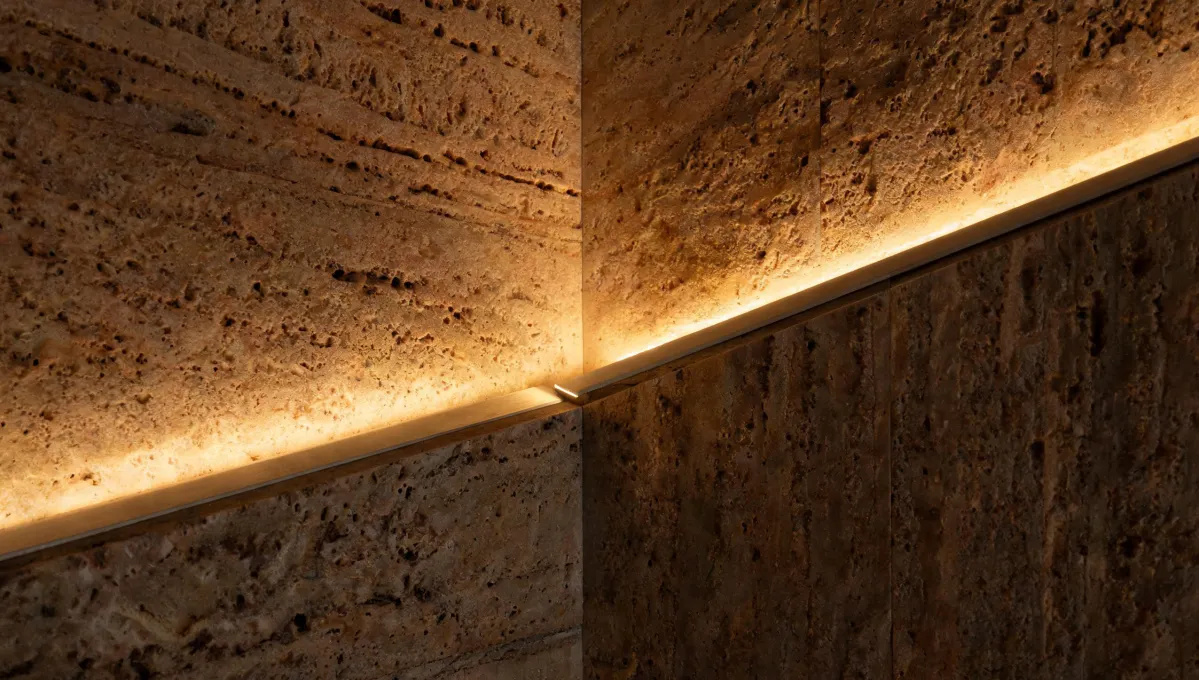
If you're hoping for one clean answer to who should handle your architectural lighting procurement, this article won't give you that. It isn't a dodge. A Moooi chandelier and recessed lighting wholesale are not the same kind of purchase, and pretending they are creates bad quotes, bad lead times, and bad installation days.
For context: I'm an office administrator at a 170-person commercial interiors company. I manage lighting and furniture buying for our own studios and selected fit-outs—roughly $600,000 each year across fifteen vendors. I report to operations and finance, so I care about process efficiency. But I've learned that efficiency does not mean squeezing every fixture through one supplier. It means matching each fixture to the right buying path.
After five years of doing this, I see three common project scenarios. The first is about memorability. The second is about invisibility. The third is about managing both.
- Hero fixture scenario: A project has a piece such as a Moooi Gravity chandelier, and the light object is central to the interior.
- Ceiling infrastructure scenario: You're buying lots of recessed lighting wholesale through an architectural lighting supplier or distributor, and the fixtures should recede into the ceiling.
- Hybrid scenario: You need both the statement Moooi chandelier and a recessed lighting layer on the same schedule.
Each path has a different supplier profile. Here is the way I separate them.
Scenario A: Buy a Moooi chandelier like a design object, not a construction material
If the render includes a Moooi Gravity chandelier over the entrance, the fixture is part of the experience. That means the supplier should be part of the same chain as the brand—not someone who will find it for you after the PO is signed.
When I took over purchasing in 2020, I expected a chandelier quote would include enough technical detail to install. It didn't. By 2024, I learned to ask for dimensions, weight, cable drop, driver position, dimming compatibility, and hanging kit options before discussing price. If you've ever watched a beautiful fixture arrive with the wrong suspension or no clear driver location, you know exactly why this matters.
For a Moooi chandelier, check these before approving:
- Full specification sheet with physical dimensions and installation constraints.
- Driver and control details that match the building's dimming system.
- Lead time and freight terms, including crating and delivery access.
- Replacement and after-sale support path.
Honestly, that list might look basic. But in an actual 2024 project, the missing item was the cable drop. The ceiling height was larger than the standard hanging kit, which meant additional engineering and two weeks of schedule movement. The fixture itself was fine. The buying package wasn't.
Scenario B: Recessed lighting wholesale is a distributor buying guide, not a fixture hunt
When you're sourcing recessed lighting wholesale, the last thing you want is a dramatic chandelier-style decision. Most commercial spaces need even, quiet light that makes work possible and doesn't call attention to the hardware. That's the domain of an architectural lighting supplier with real distributor support.
My recessed lighting distributor buying guide in miniature: buy a system, not a SKU.
The third time a wholesale quote came back with the wrong driver assumption, I made a verification checklist. I should have done it after the first. We were one purchase order away from installing 80 fixtures that would not communicate with the building's dimming system. The near-miss changed how I view this category: driver and controls compatibility come before trim style and finish.
For any large recessed order, also ask:
- Housing, driver, trim, and optics compatibility. If one component is substituted, ask why.
- Photometric or IES data if the lighting consultant expects calculations. A supplier that can't provide this is a red flag.
- Lot consistency for color. If you need 120 identical downlights, verify that the full order can come from the same production run or at least be matched by CCT.
- Replacement part availability after installation. It's better to know now than when the ceiling is closed.
On efficiency, I'm a strong believer in digital workflows. We moved our RFQ process to the distributor's online portal, and it cut response time from about five days to two. It also reduced the which version of the cut sheet did you quote email chain. Fewer manual steps, fewer errors. That's the kind of efficiency that makes a real difference in a project schedule.
Scenario C: Hybrid projects need coordination, not consolidation
Most interesting projects are hybrids. You want a Moooi chandelier in the lobby and recessed lighting wholesale throughout the rest of the floor. That's normal. The mistake is assuming one supplier should own everything.
To be fair, I get why consolidation is attractive. One PO means fewer approvals and fewer invoices. But the expertise required for a Moooi Gravity chandelier and the expertise required for a large recessed lighting package are different. The decorative lighting channel cares about finish, suspension, and brand authenticity. The distribution channel cares about fixture systems, replacement inventory, and controls coordination. Rarely is one vendor equally strong in both.
If a supplier insists they can do both, ask them to demonstrate the Moooi line and the recessed system in the same proposal. If they can only quote one side sharply, split the purchase.
That's exactly what happened during our 2024 vendor consolidation project. We tried to reduce nine lighting sources to a smaller group. The architectural lighting supplier we used for infrastructure was transparent: Moooi was not in their line. They quoted the recessed package, recommended a separate authorized source for the Moooi chandelier, and both orders went onto the same delivery tracker. Splitting the order meant two invoices, but it also meant each supplier was responsible for the scope they understood.
So glad we split that. We almost combined everything to simplify approvals, and it would have delayed the chandelier while waiting for the recessed package details.
How to decide which scenario you're in
Before you start requesting quotes, use the three tests below. They take less time than sorting out a wrong order later.
- The photography test. If the fixture appears in the final render and will appear in the final project photos, treat it as a design object.
- The invisibility test. If people should notice the light but not the luminaire, treat it as architectural infrastructure.
- The swap test. Ask yourself: could we replace this with a similar fixture at a similar cost and still meet the design intent? If yes, the buying process should be standard and systems-oriented. If no, give it the hero path.
When in doubt, ask who is responsible if something goes wrong after installation. For a Moooi chandelier, you want the manufacturer warranty path through an authorized dealer. For recessed lighting wholesale, you want the distributor to own replacement components. A clear answer to that question is more useful than any promise of one-stop convenience.
Bottom line
I don't believe in a single perfect lighting supplier for every project. The efficient approach is to know which light is doing the emotional job and which is doing the technical job. Buy the Moooi chandelier through a team that can protect the design and provide the complete specification. Buy the recessed lighting wholesale through an architectural lighting supplier that can protect the system and support the installation. If the project needs both, split the scopes and coordinate the schedule. If you ask me, that's not more complicated. It's more honest.